
How to Prevent Burst Pipes: Essential Tips for Homeowners
Burst pipes are one of the most stressful plumbing emergencies a homeowner can face. A single frozen or ruptured pipe can release hundreds of litres of water into your home, causing extensive damage to walls, flooring, and belongings. Knowing how to prevent burst pipes is especially important for homeowners in colder climates where freezing temperatures can put extra strain on plumbing systems.
In this guide, Benner Plumbing & Heating shares practical tips to help protect your home and avoid costly plumbing repairs.
Why Do Pipes Burst?
Before learning how to prevent burst pipes, it helps to understand why they happen. Pipes typically burst when water inside them freezes. As water freezes, it expands, creating pressure inside the pipe. If the pressure becomes too great, the pipe can crack or rupture.
Common causes include:
-
Extremely cold temperatures
-
Poorly insulated pipes
-
Unheated areas such as basements, garages, or crawl spaces
-
Sudden temperature drops
-
Aging or damaged plumbing materials
Taking preventative steps can significantly reduce the risk of this type of damage.
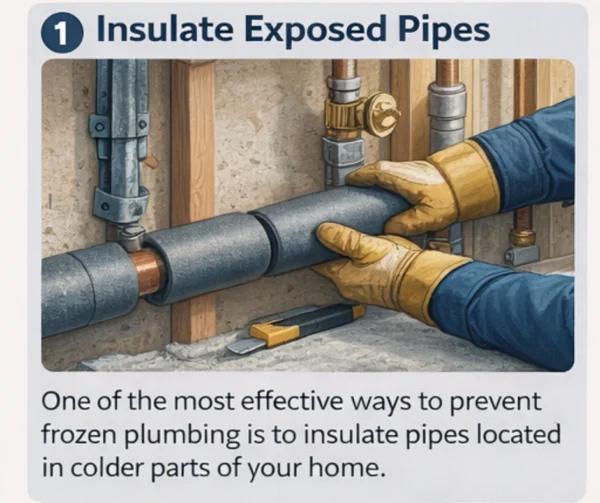
1. Insulate Exposed Pipes
One of the most effective ways to prevent frozen plumbing is to insulate pipes located in colder parts of your home.
Pipes commonly at risk include:
-
Basement plumbing lines
-
Pipes in crawl spaces
-
Garage water lines
-
Exterior wall plumbing
Foam pipe insulation sleeves are inexpensive and easy to install. They help maintain warmer temperatures around pipes and reduce the likelihood of freezing.
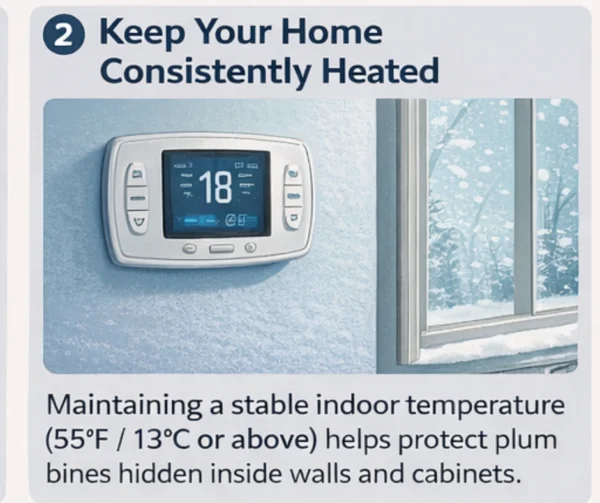
2. Keep Your Home Consistently Heated
Maintaining a stable indoor temperature is another key step in learning how to prevent burst pipes.
Even when you’re away from home, it’s important to:
-
Keep the thermostat set above 13°C (55°F)
-
Avoid turning off the heat completely during winter
-
Allow warm air to circulate throughout the house
This helps protect plumbing lines hidden inside walls and cabinets.
3. Open Cabinet Doors Under Sinks
Pipes located under bathroom and kitchen sinks—especially those along exterior walls—can be vulnerable to freezing. Opening cabinet doors allows warm air from the room to circulate around the plumbing.
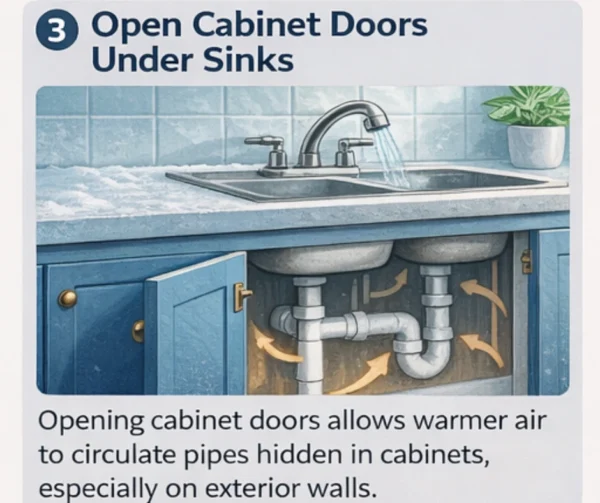
This small step can make a big difference during extremely cold weather.
4. Let Faucets Drip During Extreme Cold
Allowing faucets to drip slightly during cold snaps keeps water moving through the pipes, which helps prevent freezing.
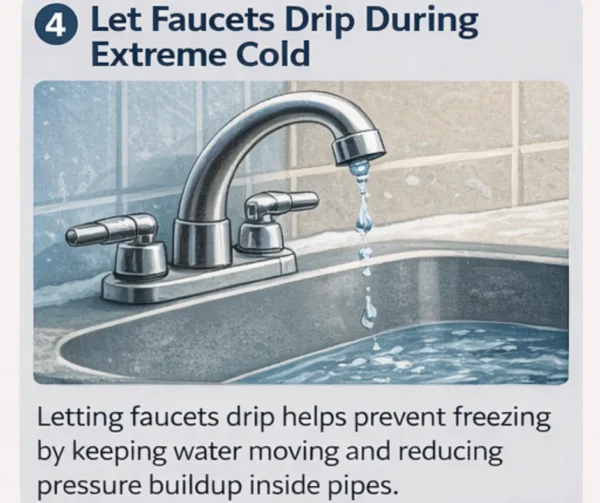
Running water reduces pressure buildup inside pipes and lowers the chance of a burst pipe.
5. Disconnect Outdoor Hoses
Leaving hoses connected to outdoor faucets can trap water inside the pipe, increasing the risk of freezing.
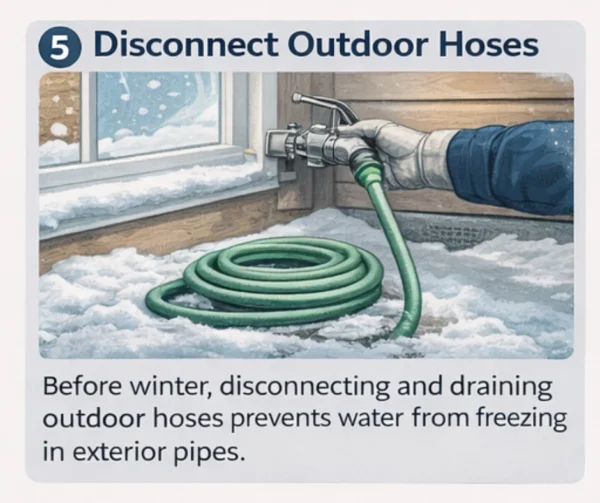
Before winter arrives:
-
Disconnect garden hoses
-
Shut off exterior water valves if available
-
Drain outdoor faucets
This simple maintenance step can prevent frozen outdoor plumbing lines.
6. Seal Drafts and Air Leaks
Cold air entering your home through cracks or gaps can lower temperatures around plumbing lines.
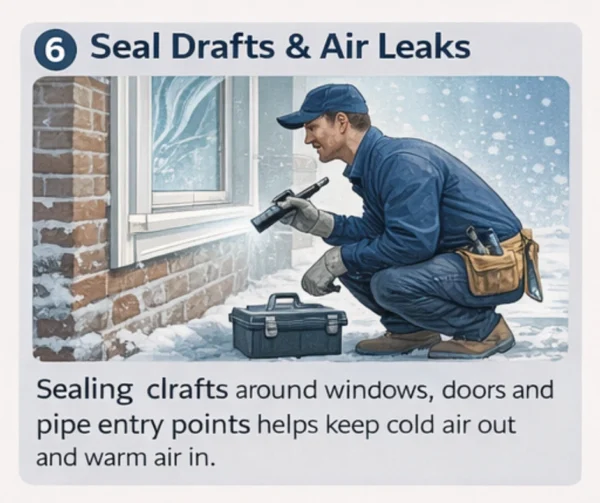
Check for drafts around:
-
Windows and doors
-
Basement vents
-
Pipe entry points in walls
Sealing these areas helps keep interior spaces warmer and reduces the risk of frozen pipes.
7. Schedule a Professional Plumbing Inspection
If your home has older plumbing or pipes located in vulnerable areas, a professional inspection can identify risks before winter temperatures drop.
A licensed plumber can:
-
Evaluate pipe insulation
-
Identify exposed plumbing
-
Recommend preventative upgrades
-
Check for signs of wear or corrosion
Regular inspections are one of the best long-term strategies for preventing plumbing emergencies.
What to Do If a Pipe Freezes
Even with precautions, pipes can sometimes freeze. Warning signs include:
-
Little or no water flow from faucets
-
Frost on exposed pipes
-
Unusual sounds when turning on taps
If you suspect a frozen pipe, turn off the main water supply and contact a professional plumber immediately. Acting quickly can prevent the pipe from bursting.
Protect Your Home with Benner Plumbing & Heating
Burst pipes can cause serious damage, but with the right precautions, they are often preventable. Understanding how to prevent burst pipes allows homeowners to safeguard their plumbing system, avoid expensive repairs, and maintain peace of mind during the winter months.
If you’re unsure whether your plumbing system is prepared for cold weather, a professional inspection can help ensure everything is properly protected.
Visit the Benner Plumbing website to book your winter maintenance or contact us today for an emergency consultation! Benner Plumbing & Heating proudly serves homeowners throughout Calgary, Airdrie, Cochrane, Okotoks, and Chestermere, providing reliable plumbing services and preventative maintenance to keep your home safe year-round.